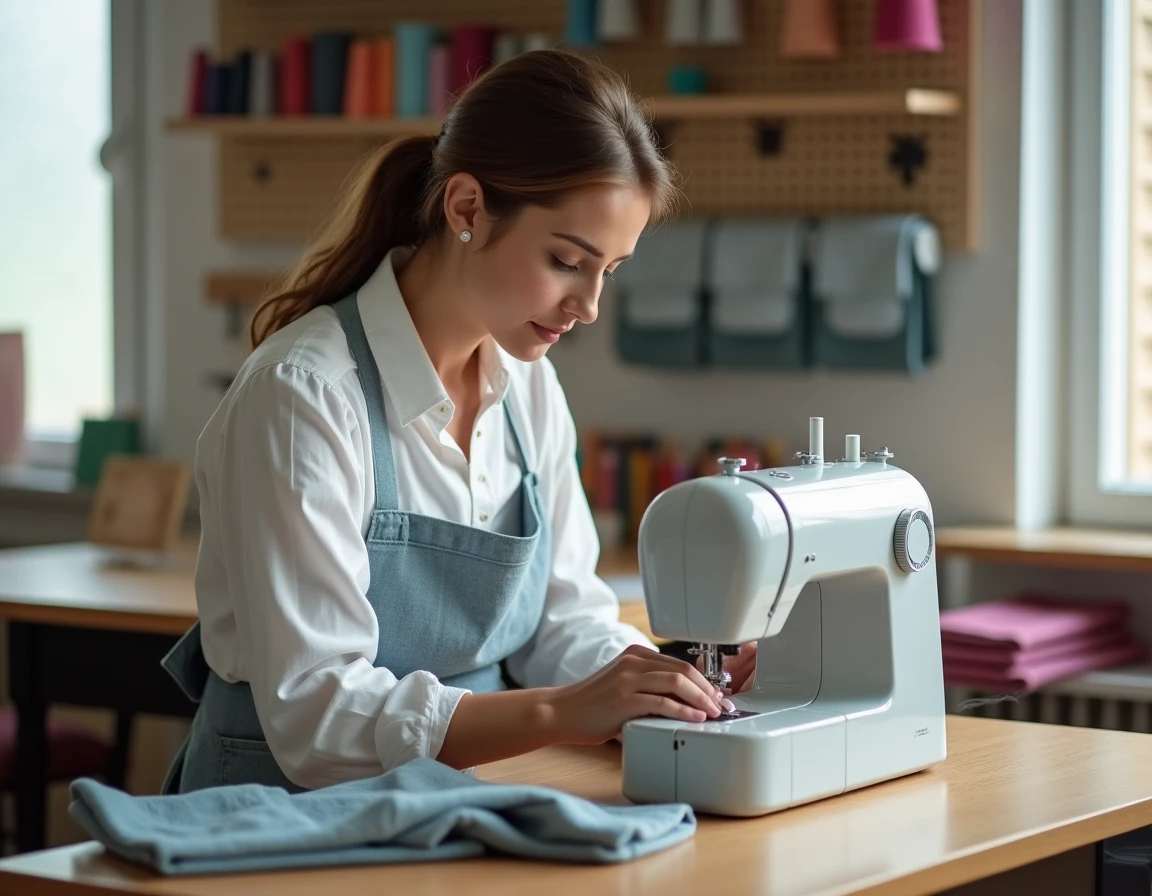
A sewing machine transforms a thread and fabric into a structured assembly thanks to a drive mechanism (feed dogs, presser foot) and a stitch formation system (needle, bobbin, hook). This mechanism varies according to the chosen technology, and it is what truly determines what the machine can sew, much more than the number of stitches displayed on the packaging.
Motor torque and chassis: what really limits a sewing machine
Most comparisons rank machines by the number of stitches or by brand. However, the most significant criterion remains the mechanical capacity of the motor block associated with the chassis.
A plastic chassis with a small motor is sufficient for poplin or lightweight cotton. As soon as the project involves denim, multiple layers of fabric, or upholstery material, the motor torque and the rigidity of the chassis become the limiting factors. A motor that is too weak slows down, skips stitches, or even breaks the needle on thick passages.
So-called heavy-duty machines feature a metal chassis and a motor capable of handling larger needles and thicker thread. They remain household machines, but their design caters to projects like sewing bags, belts, or light upholstery. For detailed comparisons between different ranges of machines, the sheets available on machineacoudre.xyz allow for cross-referencing these technical characteristics by project type.
For leather beyond a certain thickness or in multiple stacked layers, even a heavy-duty machine reaches its limits. One must then consider a dedicated semi-industrial machine, with reinforced drive (Teflon foot or walking foot).
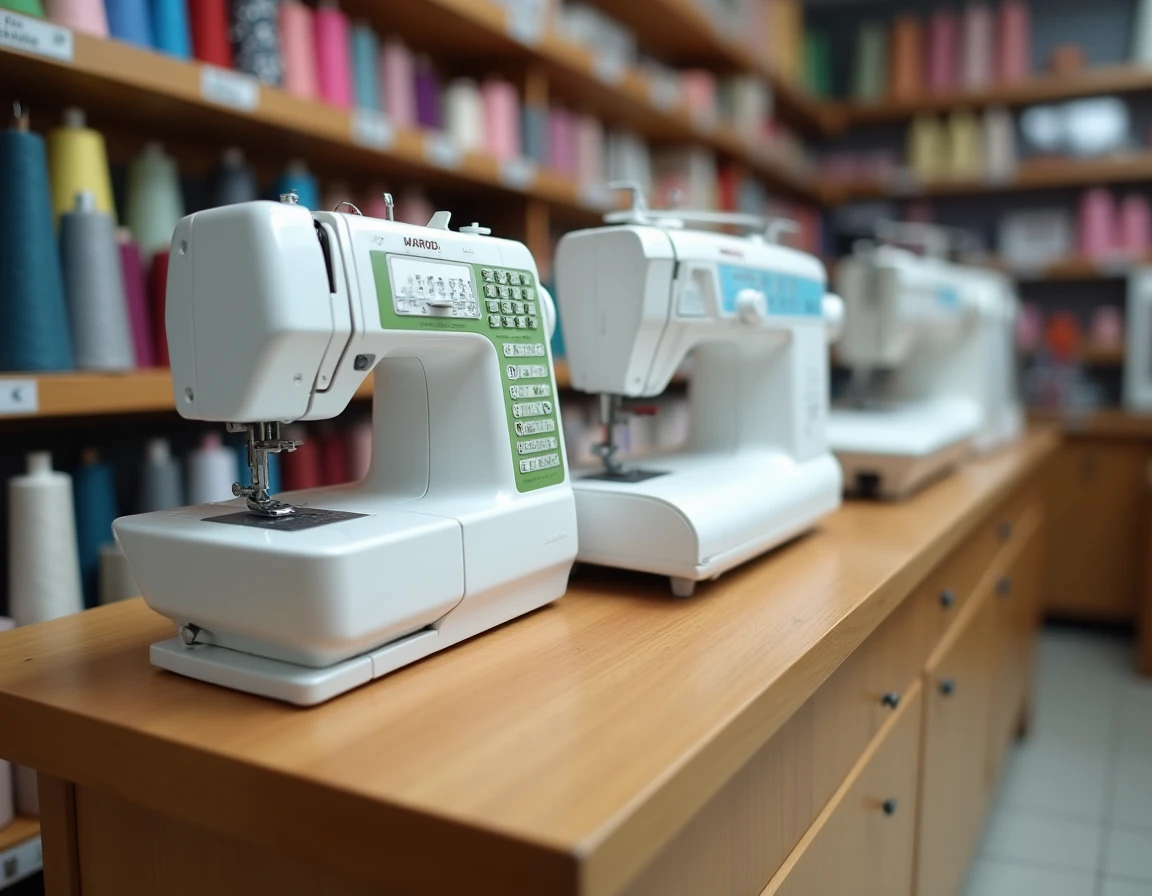
Mechanical or electronic sewing machine: a technical choice, not a skill level choice
The mechanical/electronic distinction is often presented as a choice between beginner and advanced. The reality is more nuanced.
A mechanical machine uses knobs and levers to select the stitch and adjust the tension. The mechanism is direct: the pedal controls the speed without any electronic intermediary. Maintenance consists of oiling the hook and changing the needle.
An electronic machine interposes a circuit between the pedal and the motor. It offers fine speed adjustment, automatic buttonholes, and sometimes a screen that displays the parameters. On stretch fabrics or jerseys, this speed control prevents unintentional stretching of the fabric under the presser foot.
The real criterion for choice is not the level of the sewer, but the type of fabric being worked on:
- Cotton, linen, stable fabrics: a mechanical machine with good drive is sufficient and will last a long time without needing to replace electronics
- Jersey, lycra, stretch knits: electronics provide speed control that reduces beginner mistakes as well as those of experienced sewers
- Thick fabrics (denim, oilcloth, fine leather): the question is no longer mechanical or electronic, but motor torque and type of presser foot
Drive and presser foot: the underestimated criteria for choosing a machine
The feed dogs located under the presser foot pull the fabric backward with each stitch. Their size, number, and height of protrusion determine the regularity of the stitching, especially on slippery or thick materials.
The quality of the drive is more decisive than the number of decorative stitches. A machine with poor drive will produce uneven stitches regardless of the selected stitch. Conversely, a good drive with a simple straight stitch and a zigzag stitch covers the majority of clothing projects.
Presser feet and adaptability
The standard foot that comes with the machine is suitable for cotton and medium fabrics. To go further, three feet change the game:
- The zipper foot, for sewing right up to an edge without deviating
- The Teflon or walking foot, for materials that stick (faux leather, vinyl, coated fabric)
- The buttonhole foot, which frames the button and automatically calibrates the size of the buttonhole
Before purchasing, check that the machine accepts interchangeable presser feet that meet the manufacturer’s standard. Some entry-level models use a proprietary system that limits the choice of accessories later on.
Ease of use and progress in sewing: the details that matter
Training workshops and sewing schools emphasize criteria that are rarely highlighted in product sheets: stability, noise level, lighting, and ease of the bobbin. These elements directly influence progress, especially for beginners who spend time understanding how things work before even sewing.
Well-positioned LED lighting prevents eye strain on precision stitches. A top-loading bobbin (drop-in) can be set up in seconds without removing the case, whereas a front-loading system requires more handling.
Adjustable stitch length and width
Being able to adjust the stitch length (from very short for basting to long for tacking) and the width of the zigzag offers real versatility. These two adjustments matter more than the presence of fancy decorative stitches that are rarely used in practice.
The stability of the machine during fast sewing is another marker of quality. A machine that vibrates or moves on the table at high speed complicates guiding the fabric and generates skewed stitches.
Ultimately, choosing a sewing machine boils down to three technical questions: what fabric will be sewn most often, what type of drive does this fabric require, and what chassis supports this drive without flexing. Answering these three points eliminates the majority of unsuitable models and refocuses the decision on the few machines that truly match the project.