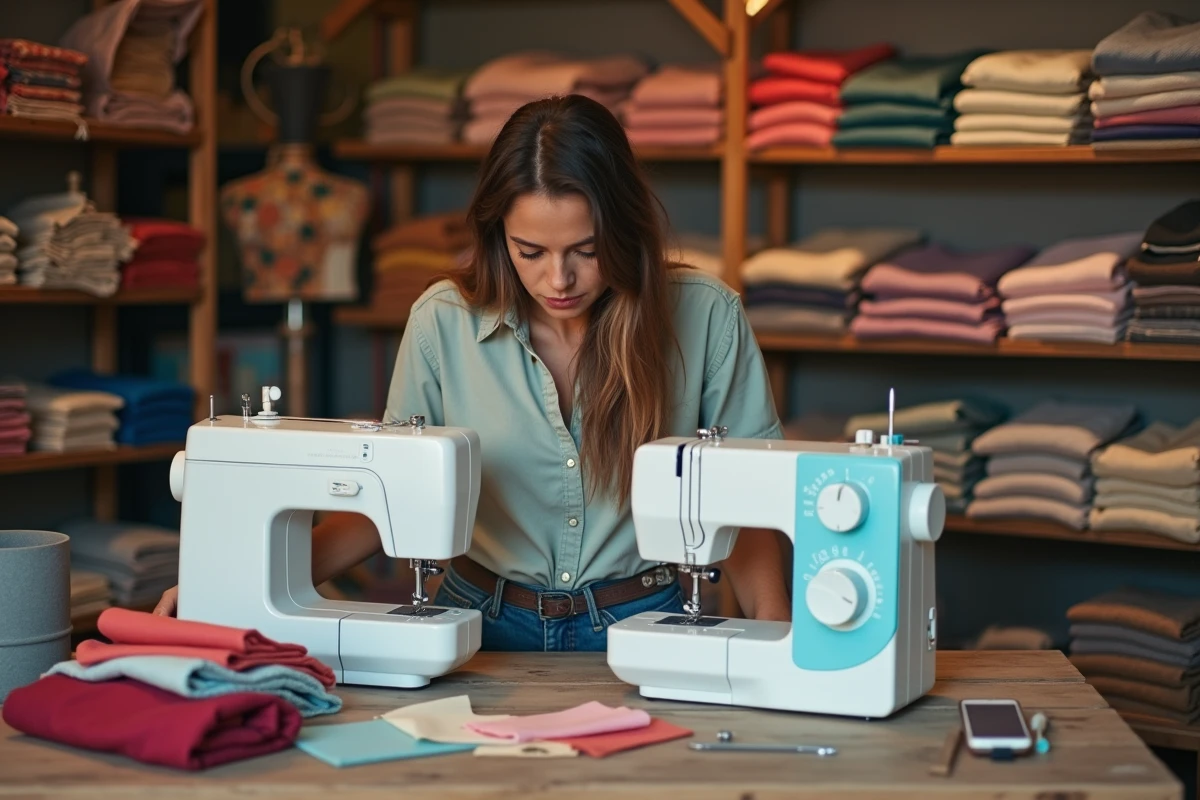
Some sewing machines cost less than a dinner at a restaurant, while others rival the price of a high-end computer. An entry-level model sometimes promises the same features as a professional reference, without always delivering on its promises.
Historic manufacturers have dominated the market for decades, while new brands offer unexpected innovations or bold compromises. Differences in reliability, compatibility, and ergonomics often escape the first reading of the technical specifications.
Overview of the main types of sewing machines: mechanical, electronic, or overlocker?
The world of sewing machines is not limited to a handful of standardized models. It includes mechanical, electronic, overlockers, and embroidery machines, each with its specificities. The mechanical machines, without digital frills, remain the favorite of those who prioritize sturdiness and simplicity. Adjustments are made manually, maintenance is straightforward, and reliability has been proven over time. It’s the rational choice for beginners or for occasional sewing without complicating life.
Electronic machines, on the other hand, expand the possibilities. Point selection via screen or dial, automatic adjustments, varied programs, increased precision: technology multiplies uses, from the most classic straight stitch to sophisticated decorative patterns. These models appeal to both enthusiasts and seasoned sewists, but it’s essential to consider the brand’s reputation before committing.
The overlocker, for its part, changes the game when it comes to finishes: it handles multiple threads to overlock, assemble, and cut edges in a single pass. The result: clean, professional hems, all in record time. A workshop aiming for quality and speed can no longer do without it. And for those dreaming of customization, the embroidery machine opens up other horizons, blending creativity and meticulous detail.
Before making your decision, ask yourself: which sewing machine brand to choose so that the machine aligns with your desires? Expectations and priorities vary depending on the projects. Versatility, robustness, the ability to handle both chiffon and denim: each use requires a model tailored to your needs, and that’s where the brand makes a difference.
What criteria should you prioritize to choose the brand suited to your needs and level?
To find the machine that will accompany you for the long term, you must look beyond the brand’s appearance. The important thing is the alignment between your sewing desires and what the model actually offers. If you are a beginner, simplicity and ease of use should guide your choice. A clear user manual, accessible adjustments: this is the foundation of a successful first experience. Reliability is non-negotiable, even for a “starter” machine.
If you aim higher, focus on the range of options. The number of available stitches matters, but their diversity does too: straight, zigzag, buttonhole, overlock… Add to that the effectiveness of the feed dogs, which will determine the ability to work with thick materials or multiple layers. Check the flexibility of the presser foot, the quality of the supplied accessories, and the sturdiness of the structure: all these details make a difference in daily use.
The quality-price ratio is measured beyond the displayed price. Look at the lifespan, the ease of finding spare parts, and the responsiveness of customer service. When the budget allows, aiming for the mid-range is often the best compromise between robustness and versatility. At every step, ask yourself: will the machine adapt to your favorite fabrics? Is the needle precise? Does the thread remain consistent? Are the adjustments accessible?
Here are the main points to keep in mind based on your level and ambitions:
- Beginner: ease of use, essential basic stitches, minimal maintenance.
- Intermediate: wide selection of stitches, sufficiently powerful motor, ability to handle fine or thick fabrics.
- Expert: specific functions, varied accessories, robust and durable mechanics.
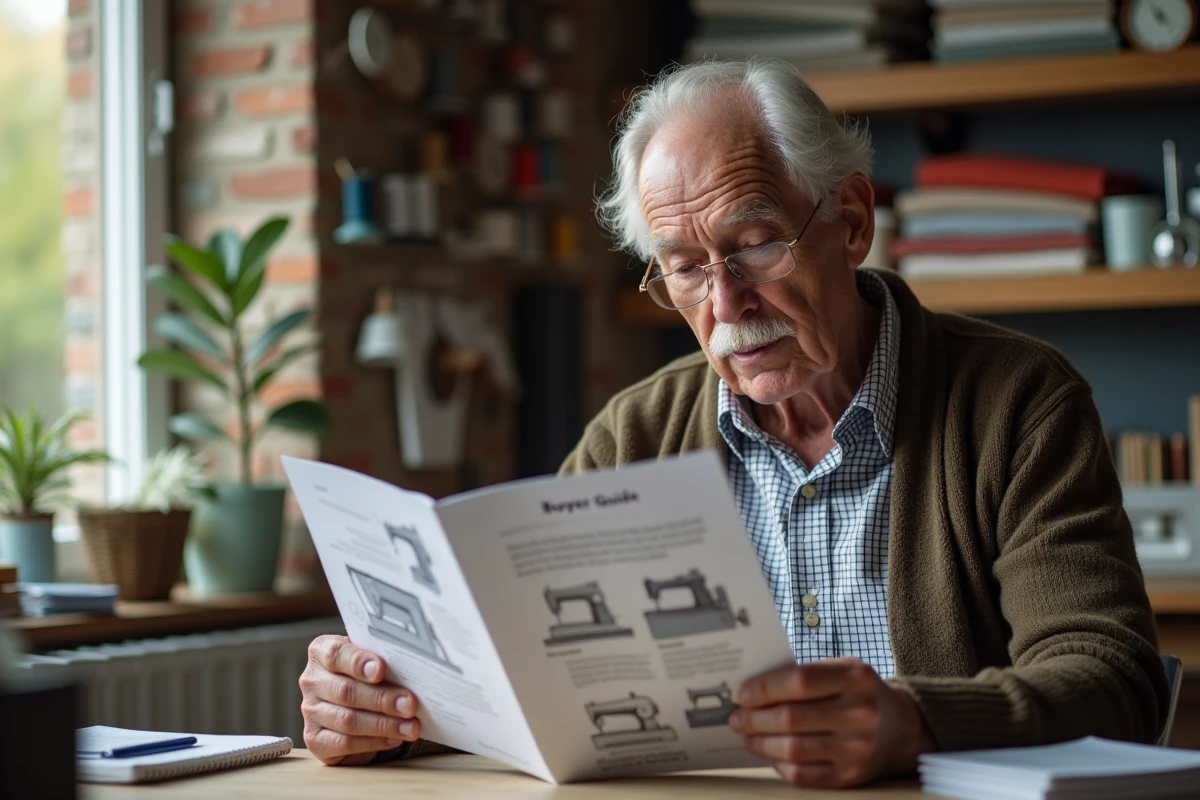
Going further: where to find reliable comparisons and detailed buying guides
The market for sewing machines is full of guides and tests. But not all are created equal: it’s better to rely on resources that combine concrete tests, user feedback, and technical analyses. The most useful sites compare prices, functions, robustness, accessories, and evaluate the coherence of each range, whether it’s accessible mechanical models or high-end overlockers.
To refine your selection, focus on clear comparison tables that synthesize strengths, weaknesses, recommended uses, and key points: number of stitches, feed, compatibility with thick fabrics, needle consistency. Technical aspects are not everything. Also rely on reviews from experienced users, the readability of manuals, observed durability, and the quality of customer service: every detail counts for a sustainable choice.
Before you dive in, keep these points in mind to make the most of the available resources:
- Guides and advice: prefer those that explain their criteria and regularly update their information.
- Comparisons: favor those that test multiple models on the same basis and under real conditions.
- Sewing machine usage: explore videos, tutorials, or forums to appreciate the practical handling.
In the face of the abundance of models and opinions, caution is advised: distinguish true expertise from mere commercial discourse, verify sources, and cross-check testimonials. Choosing your machine is primarily about combining real-world experiences with independent analyses, much more than relying on a name or a well-crafted advertisement.