A food, no matter how renowned, never gains the full support of the veterinary community. Some brands shine with the purity of their recipes, yet leave one perplexed when discussing digestibility or the level of animal proteins. Ownat, self-proclaimed as a “natural” alternative, divides practitioners and sparks heated debates.
Recommendations evolve: each animal, age, pathology, or nutritional need requires tailored consideration. It is not so much the advertising promise that matters in the eyes of veterinarians, but the ability of a food to truly meet physiological requirements. Ownat, through feedback and expertise, reveals very concrete angles of analysis.
What veterinarians really look for in good pet food
Veterinarians are not easily impressed by slogans. What interests them is the reality of the composition, the origin of the ingredients, and especially the measured effects on the health of dogs and cats. For them, it is impossible to judge a kibble without examining its ability to meet specific nutritional needs. Here’s what really weighs in the balance:
- The level of animal proteins, assessed based on their quality and origin.
- The low proportion of carbohydrates, a criterion closely scrutinized.
- The absence of unnecessary additives or opaque substances.
Dog or cat, junior or senior, athletic or homebody: each deserves a suitable food, rich in quality proteins, with identifiable origin and verifiable naturalness.
Two criteria consistently emerge: digestibility, to limit digestive issues and keep an animal in shape, and palatability, ensuring a meal is accepted without reluctance. Practitioners regularly warn against an excess of grains or plant by-products, especially for the cat, whose natural diet is strictly carnivorous. A clear ingredient list, real transparency between promise and composition: that is what inspires confidence.
Demanding owners no longer settle for generic advice. They seek precise, personalized recommendations. Veterinarians, drawing on their clinical experience and comparisons, guide their choices rigorously. To delve deeper into the analysis, the veterinary opinion on Ownat kibbles details the criteria used by professionals and guides the most discerning among us.
Ownat against the competition: what strengths and limitations do experts see?
On one point, veterinarians agree: Ownat stands out for its desire to offer more transparent, more natural nutrition. The emphasis on natural ingredients and reduced carbohydrate levels piques curiosity, especially among those who scrutinize every detail in the composition of dog and cat kibbles.
The brand highlights a higher proportion of animal proteins, sourced from fresh or dehydrated meat. For many owners, this translates into more energetic animals, denser coats, and better vitality. The grain-free formulas meet a real need, particularly for the cat or for animals whose digestion does not tolerate grains well.
However, experts’ enthusiasm remains measured. The quality of proteins varies between recipes, making it impossible to draw general conclusions. Some Ownat products still include grains or legumes like potato or sweet potato, which does not always meet expectations, especially for sterilized or aging cats. And the question of the exact traceability of meats, the actual percentage of each ingredient, remains a point of vigilance for the profession.
To better understand the strengths and weaknesses, specialists rely on several axes:
- Protein content: An obvious asset, but to be adjusted according to each individual.
- Quality/price ratio: Often deemed attractive, provided there is consistent quality from batch to batch.
- Digestibility and palatability: Generally praised, although isolated cases of digestive issues persist.
Ultimately, it is impossible to recommend a brand without weighing the age, lifestyle, medical history, and the manufacturer’s ability to keep its promises regarding transparency and consistent quality.
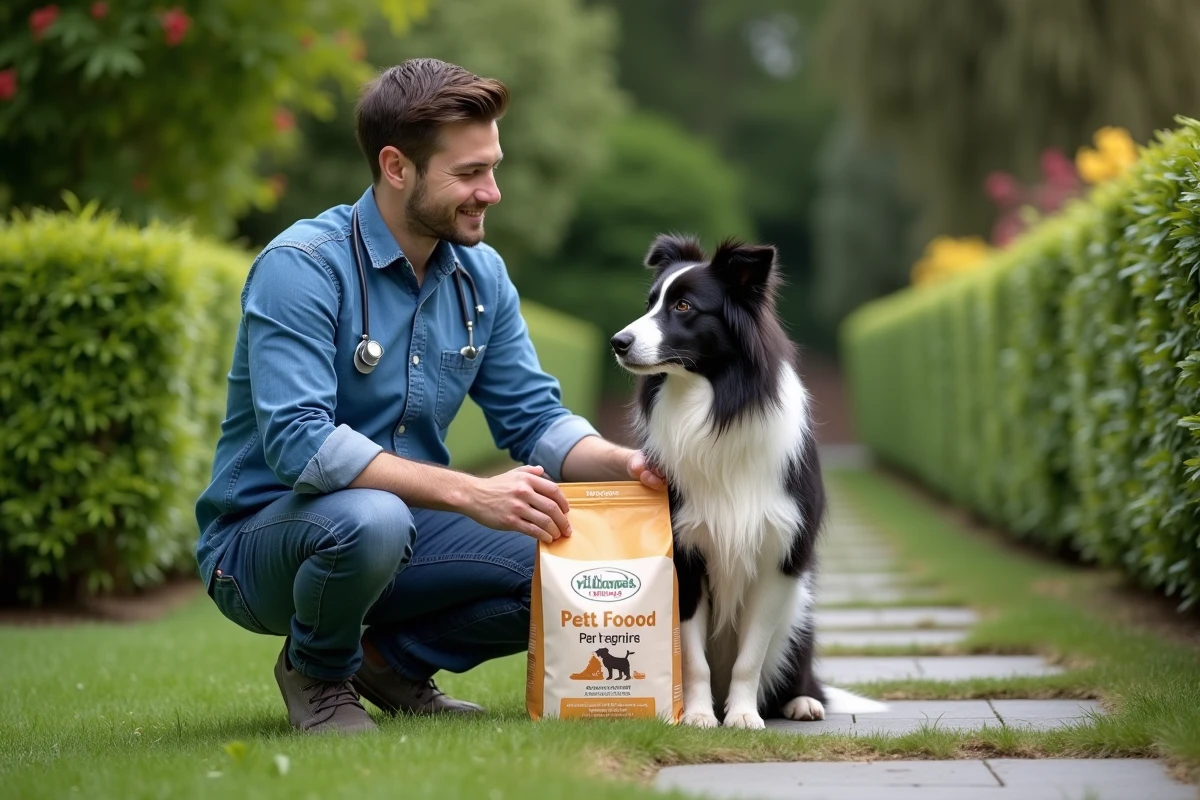
Veterinary advice for choosing the right kibble: Ownat and other brands under the microscope
Each animal requires tailored attention. Veterinarians remind us of the obvious: the diet must match the age, lifestyle, and health status. Ownat kibbles are analyzed against these criteria. It is essential to aim for a sufficient level of animal proteins to meet the needs of the strictly carnivorous cat or the active dog. A protein-rich food remains key to supporting vitality and preserving muscle mass.
Practitioners monitor digestibility: a crucial point to avoid digestive troubles. The presence of grains or legumes (such as potato or sweet potato) must be assessed on a case-by-case basis, as some sterilized or older cats tolerate them poorly. A careful reading of the list of natural ingredients and checking the low carbohydrate content contribute to maintaining the companion’s good health.
To guide the choice, here’s what veterinarians recommend observing:
- Palatability: Assess how the animal reacts to the kibble at each meal. An animal that eats with pleasure is already a good sign.
- Quality/price ratio: Carefully compare the quality of the ingredients, the protein content, and the effect on vitality or coat appearance.
Monitoring and adaptation
Veterinary monitoring remains an essential step. It is necessary to adjust the ration or recipe if the animal’s health or behavior changes. The diversity of the Ownat range offers the possibility to adjust intake based on specific needs, from the cat with difficult digestion to the athletic dog, everyone finds their balance.
Ultimately, choosing the right kibble is like fine-tuning a dosage: it requires observation, a bit of experience, and sometimes, accepting to revise one’s choices. Expectations are high, vigilance constant, and animal welfare does not allow for approximations.