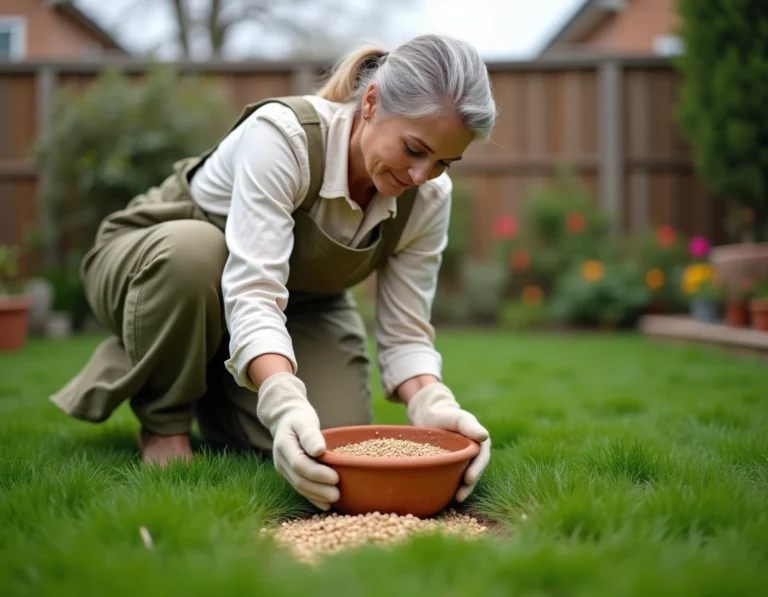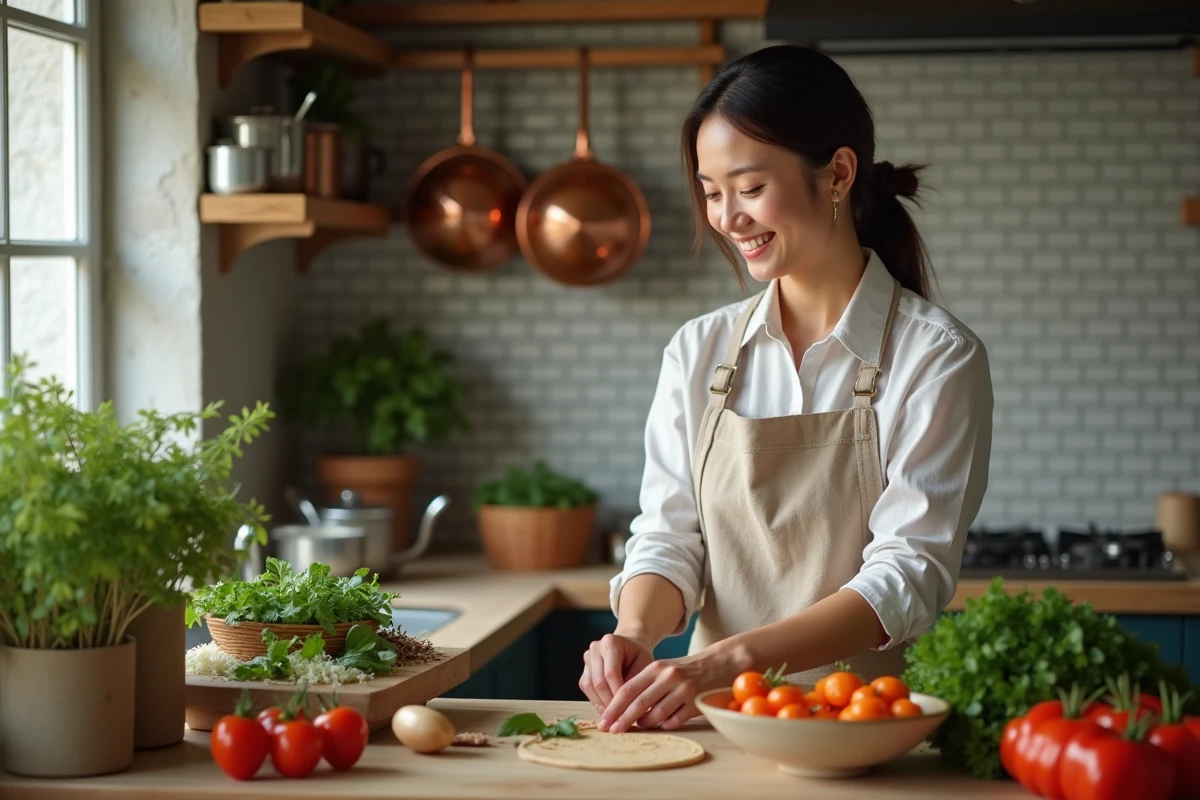
In certain regions of Central Asia, bread is never cut but always broken by hand, lest it bring bad luck to the home. In Peru, the combination of corn and cheese is featured in a dozen dishes recognized by UNESCO, while this combination remains rare in Western Europe.
Daily gestures, unexpected ingredients, and centuries-old traditions shape cuisines where each recipe tells a different story of the world. Adapting a technique or respecting an invisible rule can transform the outcome of a dish and reveal the logic inherent to each culture.
Traveling Through Flavors: How Cuisine Tells the Story of Cultures
Cuisine, everywhere on the planet, speaks louder than a long speech. A dish, a spice, a way of cooking—all of this says something about a people, a past, a climate. Massimo Montanari, a historian at the University of Bologna, understands this well: in Amaro: An Italian Taste, he explores how bitterness, long disparaged in Italy, has become synonymous with refinement and balance. On the other side of the Alps, France questions its own codes: Nora Bouazzouni, in Paris, scrutinizes the backstage of power and the inequalities that persist behind the most renowned kitchens.
Rice, a true common thread of so many cultures, graces every table and every narrative. Writer Sri Owen recounts, in Rice: History, Culture, Recipes, the journey of this star grain, essential in India, Indonesia, Japan, or Korea. Depending on the country, it is steamed, stir-fried, or fermented, each method revealing a local adaptation passed down through generations.
Cookbooks by chefs like Ixta Belfrage (Fusao: Recipes Inspired by Brazil) or Enrique Olvera (Dias de Tacos: Classic and Original Recipes) open up new horizons. Brazilian cuisine, nourished by African and Portuguese traditions, shakes up habits. Olvera’s Mexico enjoys marrying indigenous heritages with Spanish influences. In Japan, Hisao Nakahigashi advocates for the place of wild herbs, linking the land to family memory.
Discover La Cuillère aux Mille Délices, and you open a travel diary where each recipe becomes a key to a culture. The books, portraits of chefs, and stories of enthusiasts sketch a sensitive map of flavors and remind us that cuisine, well beyond taste, shapes the identity of a people.
What Iconic Recipes to Explore the Culinary Diversity of the World?
For those who want to open up to the infinite variety of delicious recipes, certain dishes act as milestones, guiding points in the global culinary diversity. Italy, for example, is not just about pasta. Massimo Montanari emphasizes radicchio or ribollita, that Tuscan peasant soup ardently defended by Russell Norman. Each region thus composes its own repertoire, far removed from clichés.
On the Brazilian side, feijoada has the flavor of conviviality. Ixta Belfrage, through her memories, shares this dish of black beans and stewed meats that unites all generations. In Japan, vegetable tempuras or clear broths highlight the subtlety of herbs and the patience of the gesture, in line with Hisao Nakahigashi.
India, on the other hand, makes rice an endless playground: biryani, curries, dosa—each recipe tells a territory, a season. Zuri Camille de Souza paints its portrait through colorful dishes. Mexico, with Enrique Olvera and his tacos, unfolds a palette of textures and flavors that surprise with every bite, while France recognizes itself in the tradition of broth, a symbol of sharing. And behind these recipes, there are often simple ingredients, reinvented by the hand of the cook.
Moreover, plant-based cuisine is gradually asserting itself, championed by chefs like Yves Camdeborde, for whom the vegetable garden is a wellspring of ideas and boldness.
Here are some examples of recipes that embody this culinary diversity and invite you to travel:
- Florentine ribollita, a symbol of peasant Tuscany
- Brazilian feijoada, a convivial and unifying dish
- Mexican tacos, an explosion of textures and colors
- Japanese tempura, a blend of lightness and precision
- Indian biryani, a sensory journey into the heart of spices
Through these delicious recipes, it is not just about nourishing the body: each dish is a gesture, a memory, a season, a detail that is passed down and brings the diversity of the world to life.

Practical Tips for Successfully Making International Dishes at Home
Diving into world cuisine at home is primarily a matter of choice and precision. The first reflex: focus on fresh, raw, seasonal ingredients. A fragrant rice will give its full dimension to an Indian biryani, good olive oil will transform a Florentine specialty, and fresh herbs will make a difference in a Japanese recipe. This is evident on every page with Sri Owen: the quality of the ingredient changes everything.
Time, then, plays a key role. Traditional dishes require patience and respect for the steps. A Brazilian feijoada, a French broth, or a Tuscan ribollita reveal their secrets to those who accept slow cooking and spice infusions. This is where the magic happens, where flavors are revealed, and where the dish takes on its full depth.
But one should not stop at the slightest constraint. If an ingredient is missing, nothing prevents you from adapting, substituting, or experimenting. Yves Camdeborde repeats: creativity also arises from constraints. Testing, adjusting, is what brings the recipe to life and makes it your own.
To enrich your repertoire, there are multiple sources to explore. Here are some avenues to nourish your curiosity and vary your dishes:
- Browse cookbooks by renowned chefs and authors
- Watch culinary documentaries to observe gestures and techniques
- Discuss with enthusiasts or amateur cooks who perpetuate family traditions
Lumir, founder of Voyage Gourmand in Montreal, perfectly embodies this spirit of exchange and discovery. Through each dish, each gesture, each shared story, an entire culture is unveiled and transmitted. And cuisine, undoubtedly, remains a field of adventure where each recipe opens a window to the world.