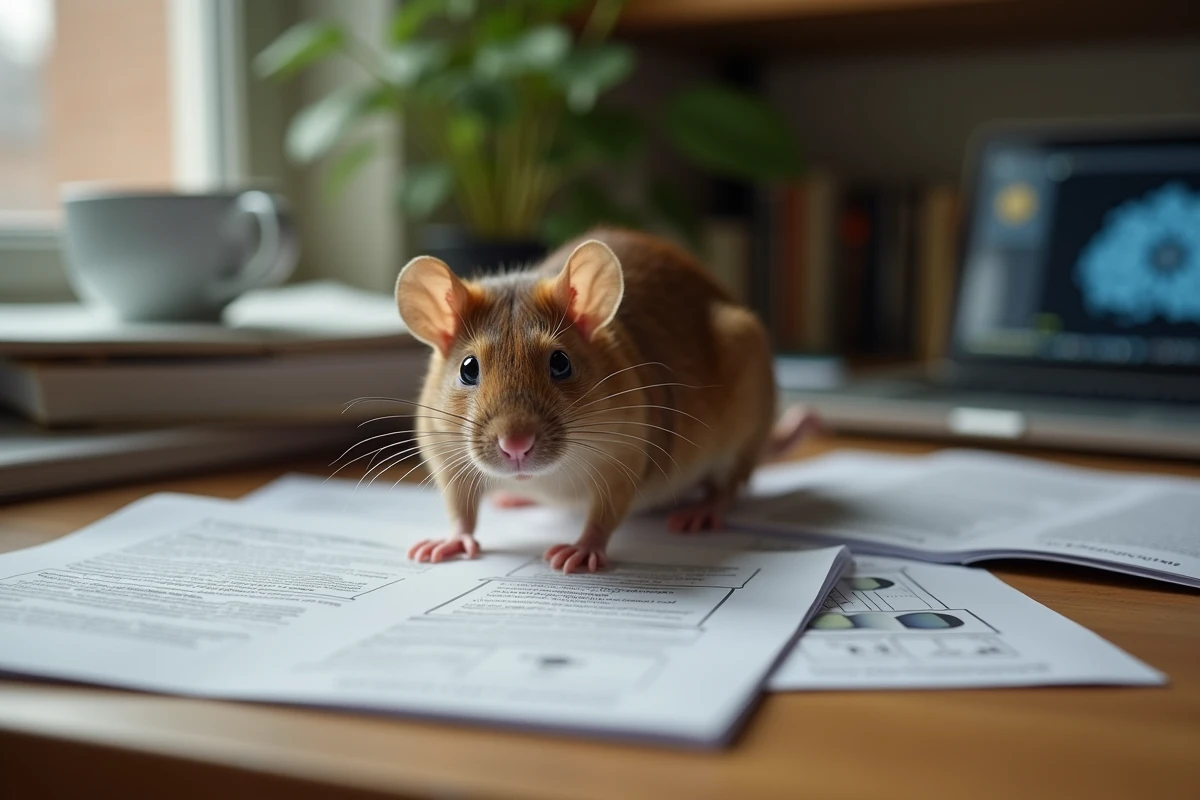
The rumor clings on, like an old label that never comes off: the rat would be hemophilic, doomed to bleed at the slightest scratch. Yet, the facts tell a completely different story. This received idea, often relayed in textbooks or on forums, does not hold up against veterinary data: hemophilia is not common among rats.
Some coagulation disorders can indeed occur in rats, but they are not the norm. They mostly concern genetically modified laboratory animals, rarely those that share our daily lives. Owners of pet rats then rightly wonder about the reality of these risks and what actions to take to preserve the health of their companions.
What we really know about blood and coagulation in rats
In the rat, whether we are talking about Rattus norvegicus or Rattus rattus, the mechanism of blood coagulation follows the same logic as in most mammals. A precise sequence of reactions is activated by coagulation factors (VIII, IX, XIII, II, VII, X), all essential for stopping a bleed. Vitamin K is indispensable in the production of several of these key factors. As a result, in the vast majority of pet rats, everything works perfectly, unless a disease occurs, an anticoagulant lurks, or an unbalanced diet comes into play.
Before going further, it is important to distinguish the situations where the problem comes from the rat’s environment. Here are the most frequently encountered causes:
- Exposure to anticoagulant poisons used against rodents
- Deficiencies, particularly in vitamin K
- Viral diseases disrupting coagulation
A common point of confusion arises: the anticoagulant poisons deployed in the fight against rats. These substances, by blocking vitamin K, disrupt coagulation and cause bleeding and hemorrhages. This is not hemophilia per se, but a toxic consequence. Cases of true hemophilia, due to a genetic mutation of factors VIII or IX, are extremely rare and almost absent outside research laboratories. These lines, created to study human hemophilia, do not reflect the reality of the general population.
The question “ Is the rat hemophilic ” continues to fuel discussions and speculations. However, the overwhelming majority of rats, whether domestic or wild, do not carry this hereditary disease. The coagulation disorders observed in everyday life are most often due to external causes: poisons, infections, dietary imbalances. Specialized books and articles on animal health emphasize this distinction, highlighting how living conditions and nutrition play a central role in the good blood health of the rat.
Is the rat hemophilic? Distinguishing myth from scientific reality
The reputation of the hemophilic rat has firmly established itself in popular culture, but science does not find itself in agreement. Hemophilia, which results from a genetic anomaly and leads to a deficiency of coagulation factors, does not manifest spontaneously in rats outside of experimental contexts. Only lines created for biomedical research exhibit this defect, and this is intentional: these animals serve as models to understand human hemophilia and test new therapeutic avenues, such as gene therapy.
Confusion persists largely due to the intensive use of anticoagulant poisons. When a rat is exposed to them, it develops major coagulation disorders: bleeding, hemorrhages, sometimes fatal. French veterinary studies have extensively documented this. But this is intoxication, not a genetic disease. It is the action of anticoagulants on vitamin K that disrupts the coagulation cascade.
In these circumstances, the symptoms resemble those of a hemophiliac, but the cause is environmental, not hereditary. Setting the record straight also means explaining that untangling the myth from the scientific reality requires relying on factual data and education. Veterinary publications, by popularizing these mechanisms, help correct misconceptions and rehabilitate this rodent, the subject of many fantasies and hasty judgments.
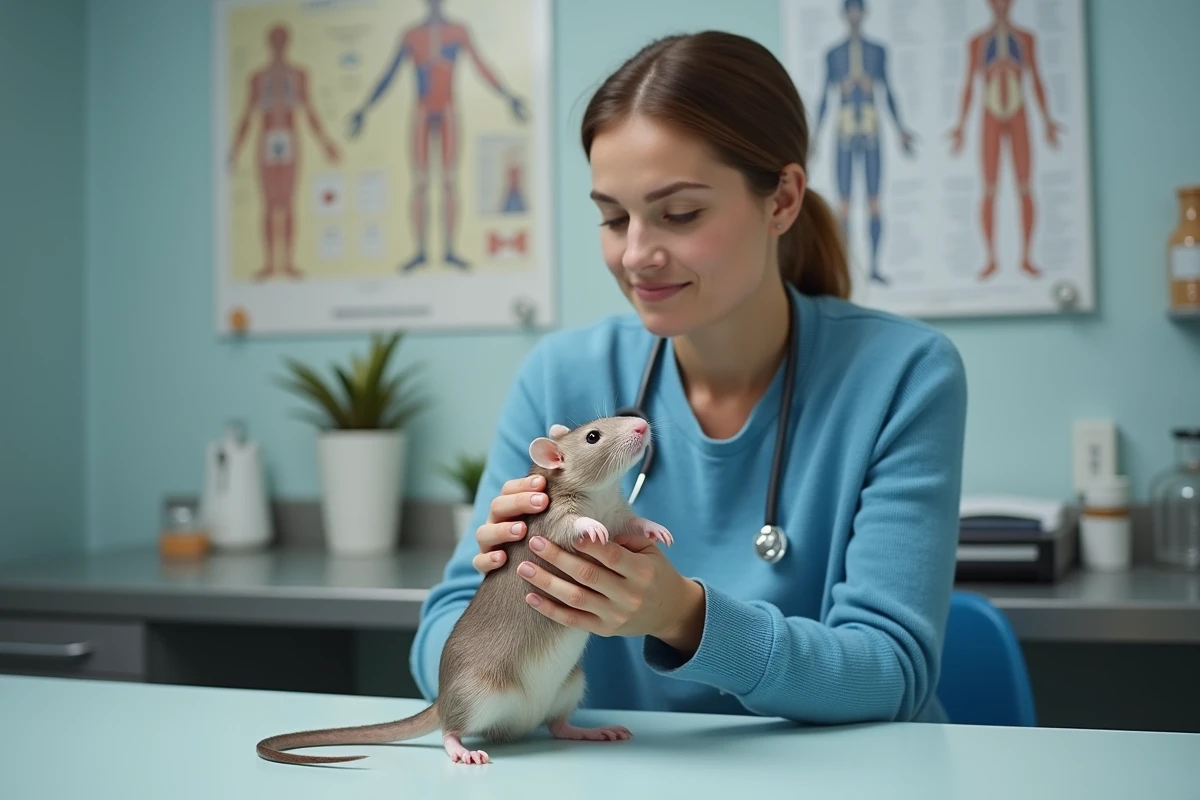
Recognizing concerning signs and when to consult a veterinarian
The health of the rat is never just a matter of prejudice. For the attentive guardian, knowing how to detect the signals of a coagulation disorder makes all the difference. A bleeding that does not stop, even if discreet, on the skin or near mucous membranes, should raise concern. Red marks on the claws, around the snout, or in the bedding may indicate exposure to an anticoagulant or reveal a more serious underlying problem.
Some signs, more subtle, should not go unnoticed. A rat that becomes apathetic, has difficulty breathing, shows a swollen or painful abdomen, is not in a good position. Small subcutaneous hemorrhages (bruises, red spots), a sudden refusal to eat, or unusual behavior require prompt action.
Here are the main symptoms to watch for to act in time:
- Bleeding without apparent explanation
- Rapid decline in vitality
- Difficulty or labored breathing
- Change in appetite or usual behavior
A quick response greatly improves the animal’s outcome. Anticoagulants, by blocking vitamin K, disrupt the production of several coagulation factors. The veterinarian, thanks to their expertise and examination of the context, can differentiate between intoxication and a viral pathology or nutritional problem. Acting quickly increases the chances of recovery, benefiting from the latest advances in veterinary research and the know-how of professionals.
The rat is not this tragic hero doomed to perpetual hemorrhage. While vigilance is necessary, it is based on solid scientific reality. It is up to everyone to dispel myths to make way for knowledge and a better understanding of this sometimes-misjudged companion.