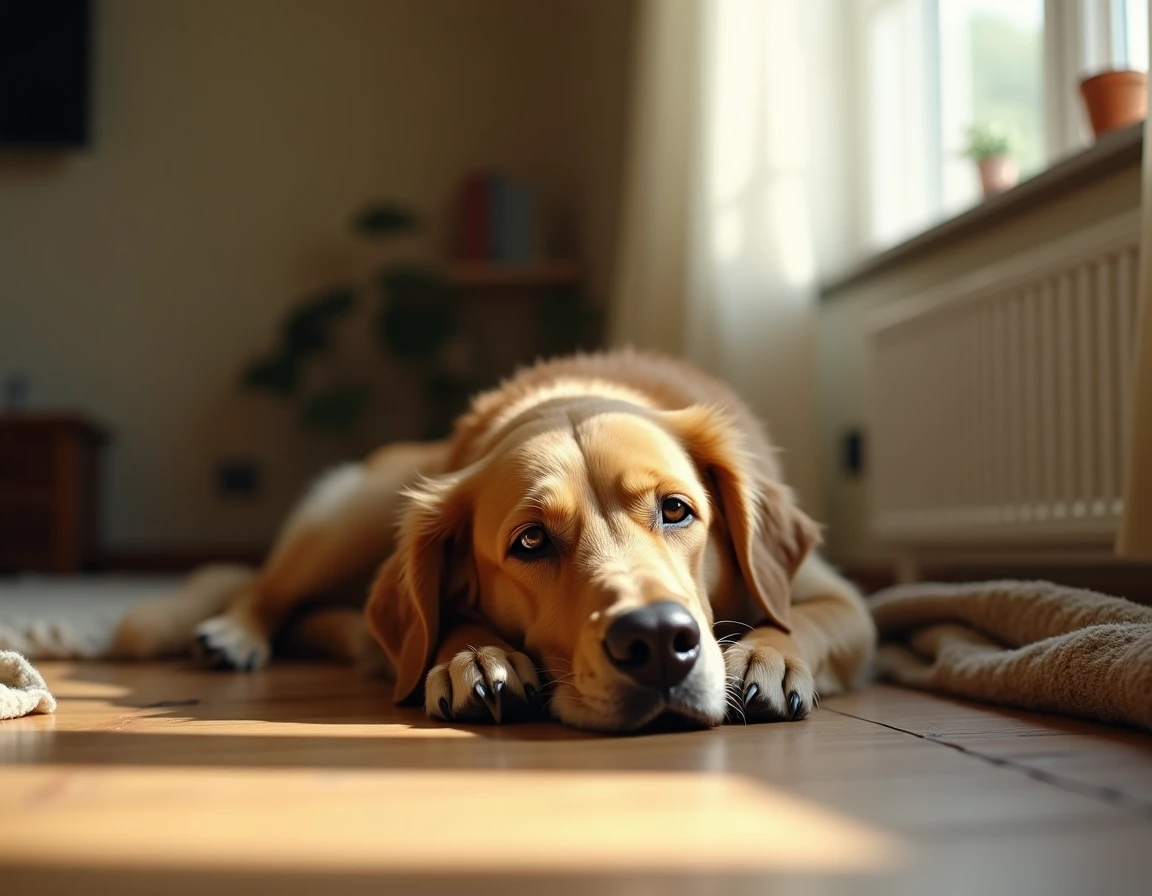
Dysthymia in dogs is a mood disorder that permanently alters the animal’s behavior, appetite, and reactivity. Unlike a temporary depression linked to a specific event, dysthymia sets in over weeks, sometimes months, and affects all behavioral registers. Identifying this disorder requires distinguishing between what is related to an underlying organic pathology and what constitutes a true mood disorder.
Chronic pain and canine dysthymia: a diagnosis often confused
A dog suffering from osteoarthritis, hip dysplasia, or recurrent dermatitis may present a clinical picture almost identical to that of dysthymia: apathy, irritability, loss of interest in play, changes in sleep. Several recent studies in veterinary medicine highlight that chronic pain mimics the signs of dysthymia and that some of these symptoms disappear once the pain is properly managed.
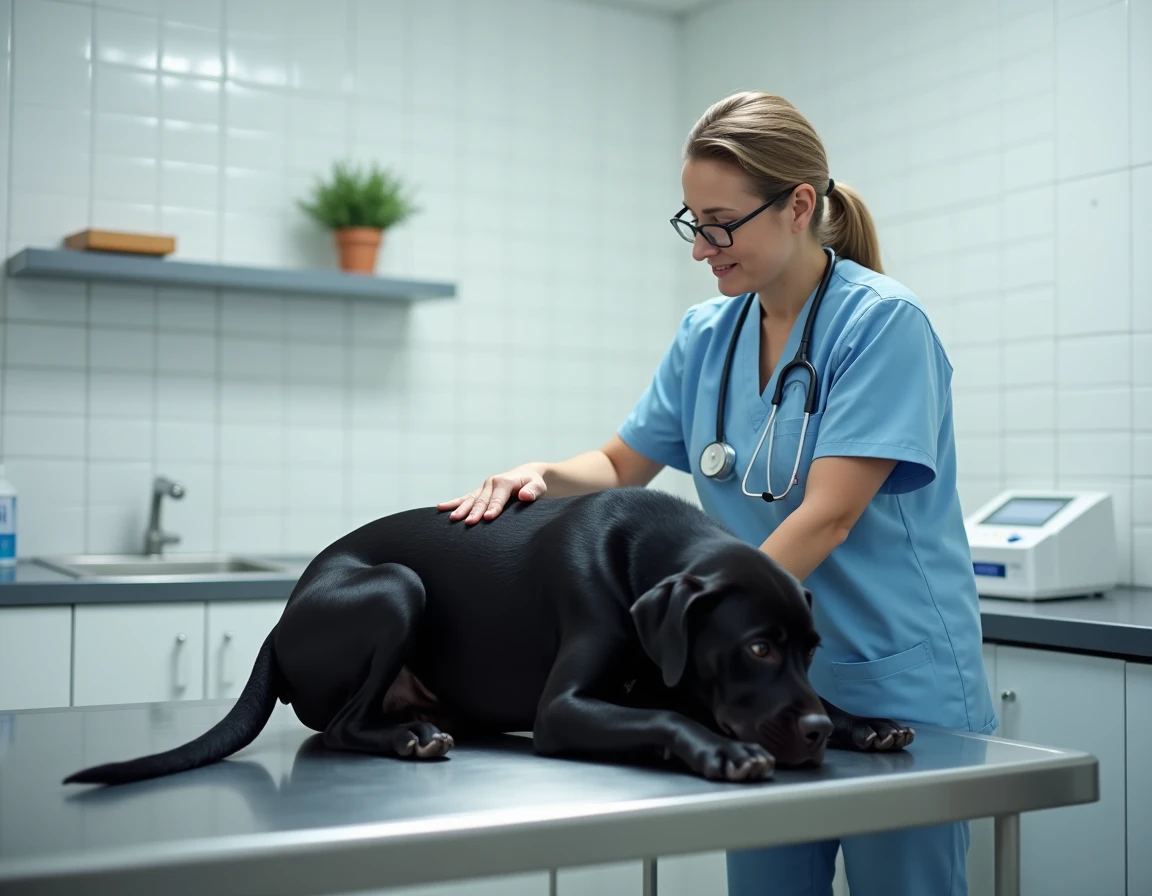
This is a common trap. An owner observes a dog that no longer moves, growls when touched, and refuses walks. The behavioral hypothesis arises quickly. In reality, a chronic ear infection or undetected joint inflammation is enough to produce these changes. A complete veterinary assessment, including imaging and blood tests, remains a prerequisite before any diagnosis of dysthymia.
To better understand the symptoms of canine dysthymia, it is essential to always cross behavioral observation with a thorough clinical examination.
| Observed sign | Origin of chronic pain | Origin of dysthymia |
|---|---|---|
| Apathy, social withdrawal | Disappears or decreases with appropriate analgesic treatment | Persists despite the absence of identified pain |
| Irritability, growling | Localized (reaction to touching a painful area) | Generalized, without link to a specific body area |
| Loss of appetite | Often partial, related to eating posture | Global, with disinterest even in treats |
| Sleep disturbances | Awakenings related to position (joint pain) | Hypersomnolence or insomnia without postural cause |
Unipolar and bipolar dysthymia in dogs: two distinct behavioral profiles
Canine dysthymia manifests in two main forms. The unipolar form is characterized by a constant depressive state: the dog remains prostrate, avoids interactions, sleeps excessively, and gradually loses its exploratory behaviors. The animal appears frozen in a state of permanent withdrawal.
The bipolar form alternates between phases of depression and phases of excitement. During the productive episodes, the dog may become hyperreactive, aggressive without apparent reason, or destroy its environment. These phases occur unpredictably, making cohabitation particularly difficult.
What distinguishes dysthymia from a simple anxiety disorder
An anxious dog reacts to an identifiable trigger: absence of the owner, noise, new situation. The disorder is contextual. In dysthymia, behavioral changes do not depend on a specific external stimulus. The mood fluctuates independently of the environment, complicating analysis for both the owner and the veterinarian.
- Separation anxiety triggers upon the owner’s departure and ceases upon their return. Dysthymia persists whether the owner is present or not.
- A phobic dog avoids a specific stimulus (thunder, vacuum cleaner). A dysthymic dog may alternate between generalized avoidance and excitement unrelated to an object or situation.
- Anxiety disorders often respond to gradual desensitization. Dysthymia generally requires a medication approach combined with behavioral work.
Veterinary psychotropics and dysthymia: prescriptions on the rise since Covid
Data from pharmaceutical panels in Europe and North America indicate a significant increase in prescriptions for veterinary psychotropics since the Covid-19 pandemic. The most prescribed molecules for canine mood disorders are clomipramine, fluoxetine, and gabapentin for anxiolytic purposes.
This increase is linked to the rise in behavioral disorders post-lockdown: hyper-attachment developed during remote work periods, separation anxiety upon returning to the office, apathy in dogs that have lost their routines. Some of these cases have evolved into established dysthymias due to a lack of early intervention.
Regulatory framework and veterinary follow-up
The implementation of Regulation (EU) 2019/6 on veterinary medicines, effective since 2022, has strengthened the regulation of psychotropic prescriptions for animals in several European countries. Regular veterinary follow-up has become mandatory for the renewal of certain molecules.
In practice, medication alone is not sufficient. Combining it with behavioral therapy (environmental restructuring, desensitization protocols, environmental enrichment) yields better long-term results. The medication stabilizes mood, while behavioral work rebuilds the dog’s reference points.
Taking action against canine dysthymia: concrete steps
The first step remains a complete veterinary assessment to rule out any organic cause. If chronic pain is excluded and the behavioral picture persists for several weeks, a referral to a veterinary behaviorist is necessary.
- Document episodes: noting the times, duration, and intensity of phases of depression or excitement helps the practitioner identify the dysthymia profile.
- Stabilize the environment: reduce unpredictable stress sources (moving, change of routine, introduction of a new animal) during the diagnostic phase.
- Do not interrupt treatment without veterinary advice: psychotropics prescribed for dysthymia require gradual withdrawal. A sudden stop can worsen symptoms.
Dysthymia in dogs does not resolve with more walks or cuddles. It is a mood disorder that engages neurobiological mechanisms comparable to those described in humans. The differential diagnosis with chronic pain remains the most determining step to correctly guide management and avoid months of inappropriate treatment.