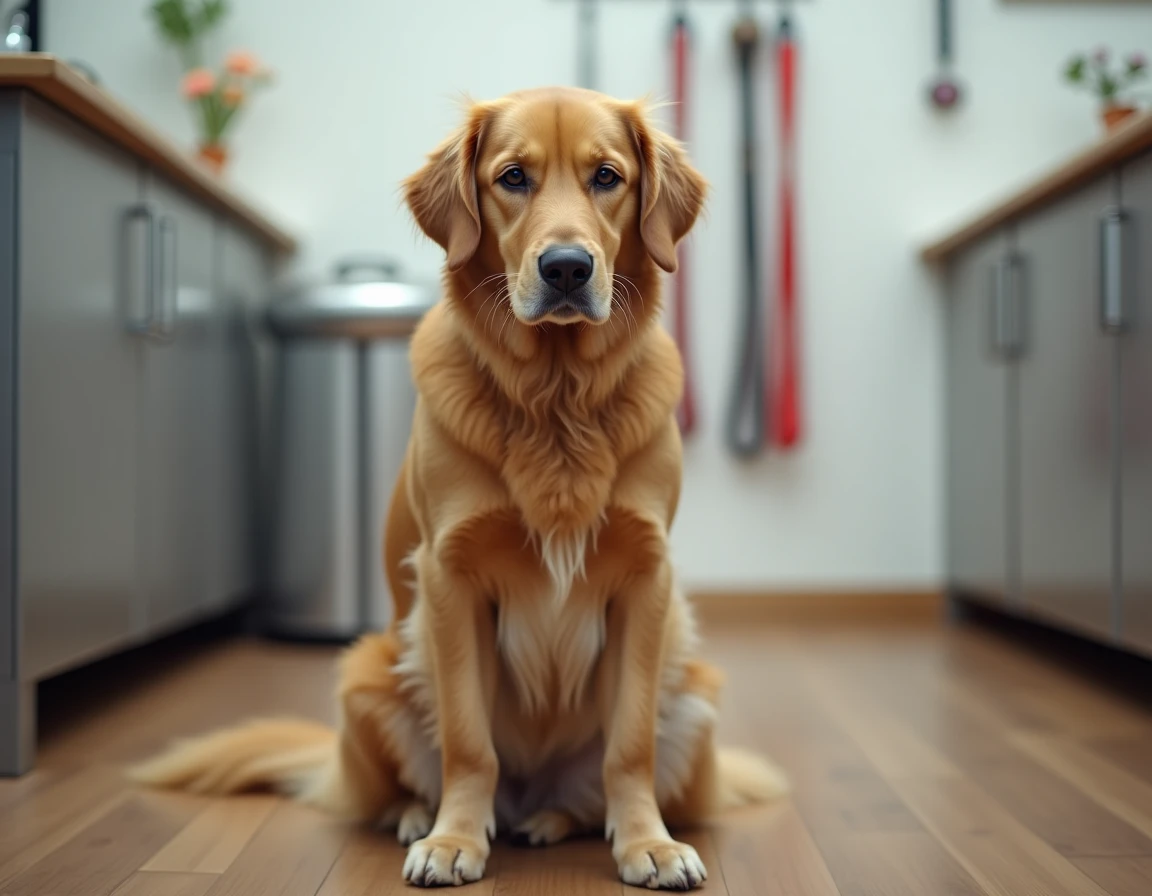
Your dog comes back from grooming and instead of proudly parading, he lies down in a corner, refuses to play, or looks at you with a dejected expression. This behavior worries many owners. The good news: in most cases, this apparent sadness has identifiable causes, and concrete solutions exist to address it.
Post-grooming stress in dogs: a mechanism often underestimated
Have you ever noticed that your dog seems exhausted after an unusual situation, even without intense physical effort? Grooming mobilizes a tremendous amount of emotional resources. The noise of the clippers, handling by a stranger, water, the dryer: each step engages the animal on a sensory level.
This phenomenon has a name: post-event stress. Even when the session goes well on the surface, the dog may show signs of dejection or social withdrawal for several hours, sometimes a few days. Dogs that have previously experienced unpleasant handling at the vet or groomer are particularly affected.
Specifically, a poodle used to being groomed every two months may very well show signs of depression at each visit if the initial sessions were poorly experienced. A dog’s emotional memory is tenacious. Just one episode of forced restraint can sometimes anchor a lasting apprehension.
To better understand the reasons for a dog being depressed after grooming on Animal News, one must also consider pure physical fatigue: standing on a table for a long time, in a forced posture, tires the body as much as the mind.
Hidden pain after grooming: when sadness signals a health problem
A dog that remains “soft and sad” after grooming does not always express stress. Sometimes, the dejection masks real physical pain. General veterinarians report an increase in consultations for this reason, where examinations reveal concrete medical causes.
Among the most common problems:
- A clipper burn on a sensitive area (belly, groin, ears), invisible under the remaining fur but painful to the touch
- A micro-cut unnoticed during the session, which then irritates upon contact with bedding or a harness
- A developing ear infection triggered by overly vigorous ear cleaning, causing discomfort that the dog expresses by withdrawing
- A skin irritation related to a product unsuitable for the animal’s skin type
The rule to remember: if the dejection lasts more than 24 to 48 hours, consult a veterinarian. Beyond this timeframe, simple “blues” become unlikely. A clinical examination can quickly rule out or treat a physical cause.
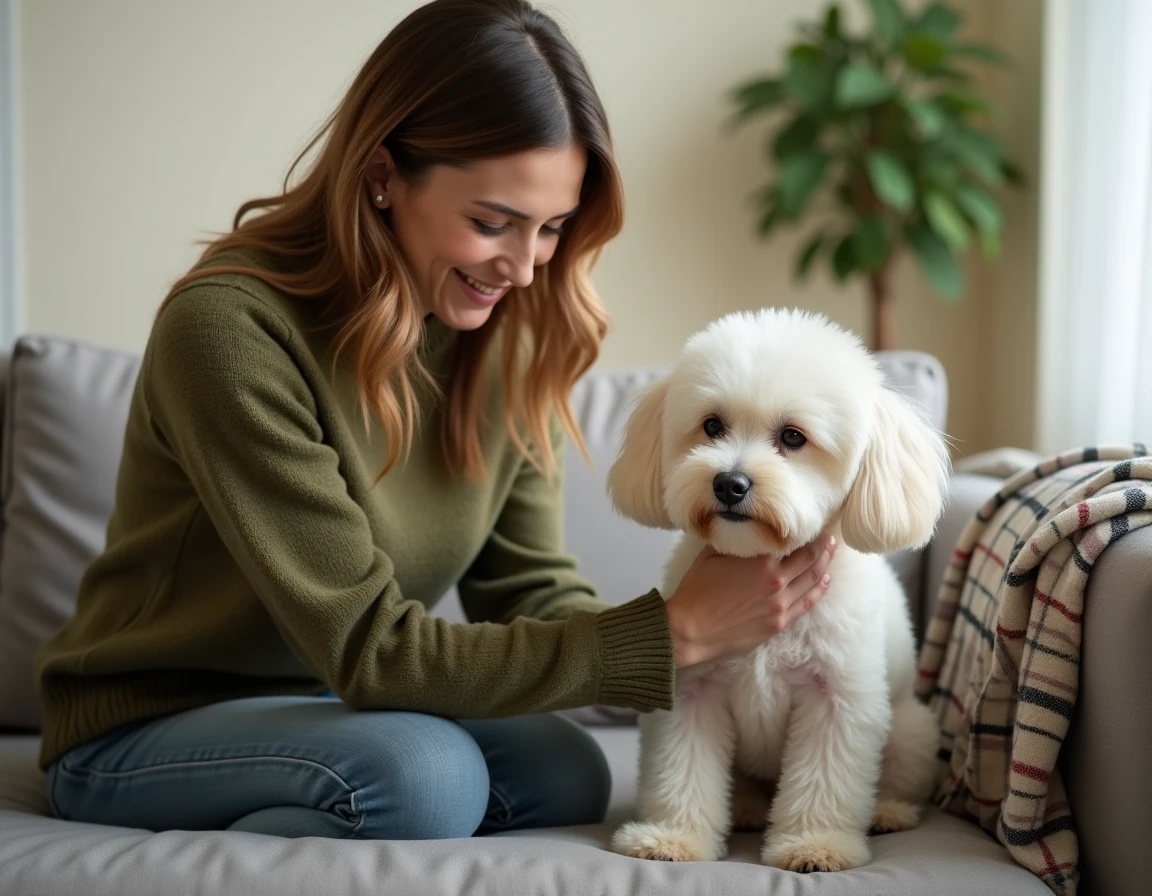
Gently run your hands over your dog’s body after grooming. An area of abnormal warmth, a flinch to the touch, or repeated licking of a specific spot are signs to take seriously.
Dog distress signals: learning to read behavioral changes
Not all dogs express their discomfort in the same way. Some owners confuse normal post-grooming fatigue with more concerning signs.
Common and transient signs
A dog that sleeps more on the night of grooming, eats a little less, or seeks a quiet spot expresses a normal reaction. These behaviors disappear within a few hours.
Symptoms that deserve attention
Other signals indicate a more serious emotional or physical state:
- The dog is frozen, with averted gaze, and does not respond to usual solicitations (play, walk, treat)
- Repeated and rapid nose licking, a recognized sign of acute stress in dogs
- Persistent trembling without any obvious thermal cause
- A loss of appetite lasting more than 24 hours
- An active avoidance of human contact, including with family members
These manifestations resemble what behaviorists describe as signs of depression in companion animals. The difference with true canine depression lies in the duration: grooming-related dejection generally resolves within one to two days.
Cooperative grooming and gradual habituation: effective solutions
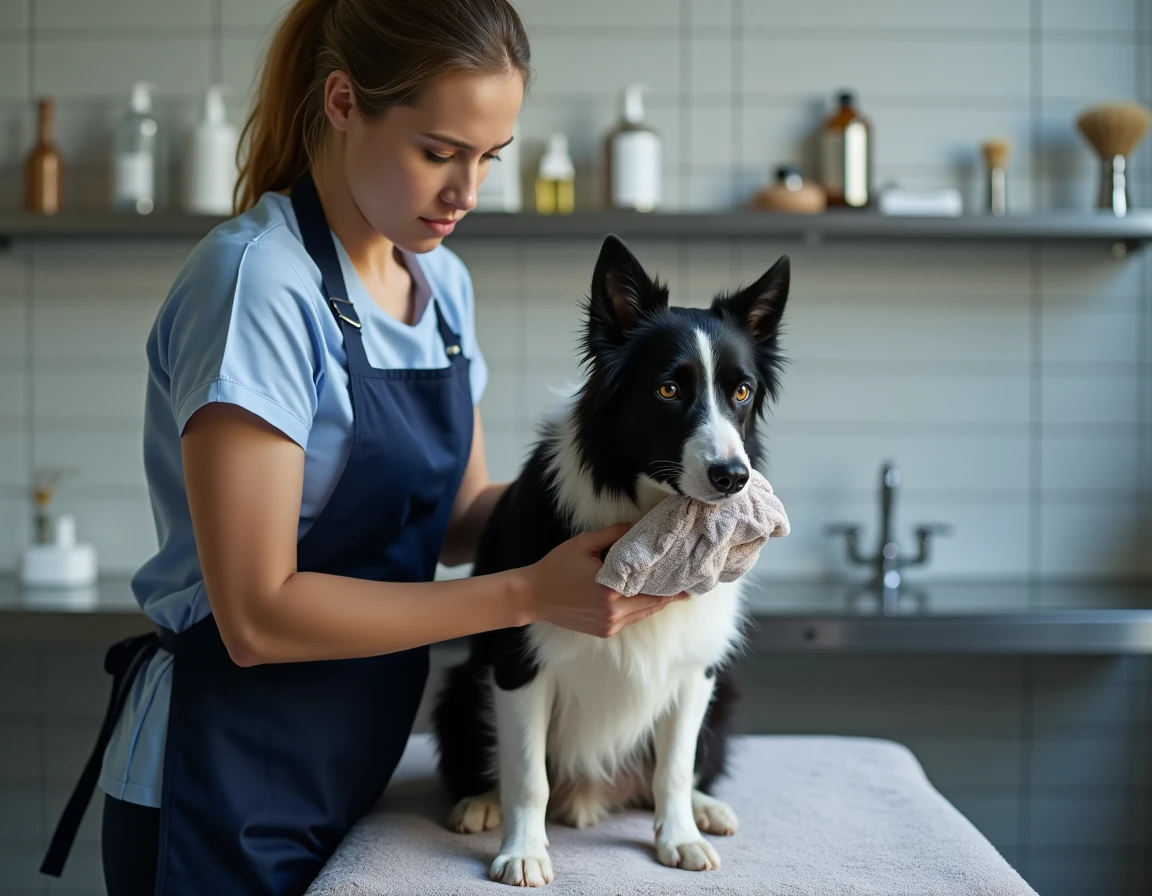
The most effective method to prevent this post-grooming sadness is called cooperative grooming. The principle: the dog actively participates in the session instead of enduring it. Programs like Fear Free Pets or Low Stress Handling, promoted by the American Society of Veterinary Behavior, train professionals to adapt restraint, duration, and equipment to each animal.
In practice, a groomer trained in these approaches allows the dog to place its head on a support by itself, takes breaks when the animal shows signs of stress, and rewards each tolerated step. The result: the dog gradually associates grooming with a neutral or even positive experience.
What you can do at home
Habituation is not limited to the grooming salon. Certified trainers recommend working in advance, as early as possible. Regularly touch your dog’s paws, ears, and belly outside of any care context. Associate these manipulations with a treat or a calm moment.
Run the clippers (turned off, then on) near your dog without using them on him. The goal is to dissociate the noise from the sensation of restraint. A few minutes a day for two to three weeks is often enough to change the animal’s emotional response.
After the grooming session, provide your dog with a calm space, free from excessive stimulation. Avoid soliciting him to play or petting him if he is seeking isolation. Respecting his need for recovery reduces the duration of dejection.
Post-grooming sadness is not inevitable. A dog that knows the gestures, trusts its groomer, and whose owner can recognize signs of pain or distress returns to its normal mood much faster, often as soon as they get home.