The spring-summer shows have delivered their verdicts, the shop windows are being renewed, and social media is accelerating the pace. Asking about the fashion trends of the season also raises the question of their origin: the looks that prevail no longer only emerge from the runways, but in viral loops where a TikTok hashtag can transform a forgotten accessory into a key piece in just a few days.
TikTok Micro-Trends and Seasonal Looks: A Short Circuit Redefining Style
Classic fashion guides list colors and cuts without explaining where they come from. The reality of the market is different. Recent reports from Trendalytics and WWD show that labels like “tomato girl,” “mob wife,” or “office siren” are concretely structuring sales and searches associated with seasonal looks.
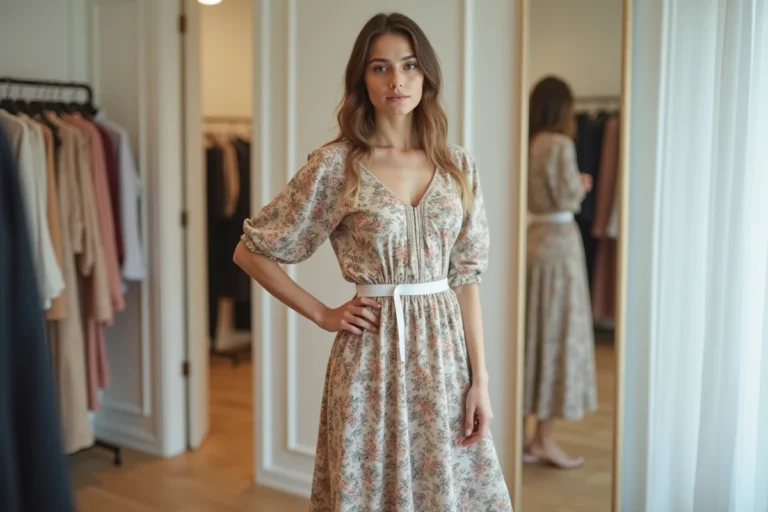
Each of these micro-trends leads to specific clothing choices: leopard prints for the “mob wife” style, large gold earrings and oversized glasses for the “office siren” aesthetic, flowing dresses and warm tones for the “tomato girl.” These associations are not arbitrary. They function like ready-to-wear visual kits, directly inspired by video staging.
To keep track of these developments over the weeks, Beauty Girl’s fashion articles regularly document the pieces emerging from these short cycles.
The result: the very notion of “seasonal trend” has fragmented. A look can dominate for three weeks and then give way to the next, whereas a floral print used to remain stable throughout an entire spring.
Accessible Quiet Luxury: What Retailers Really Offer
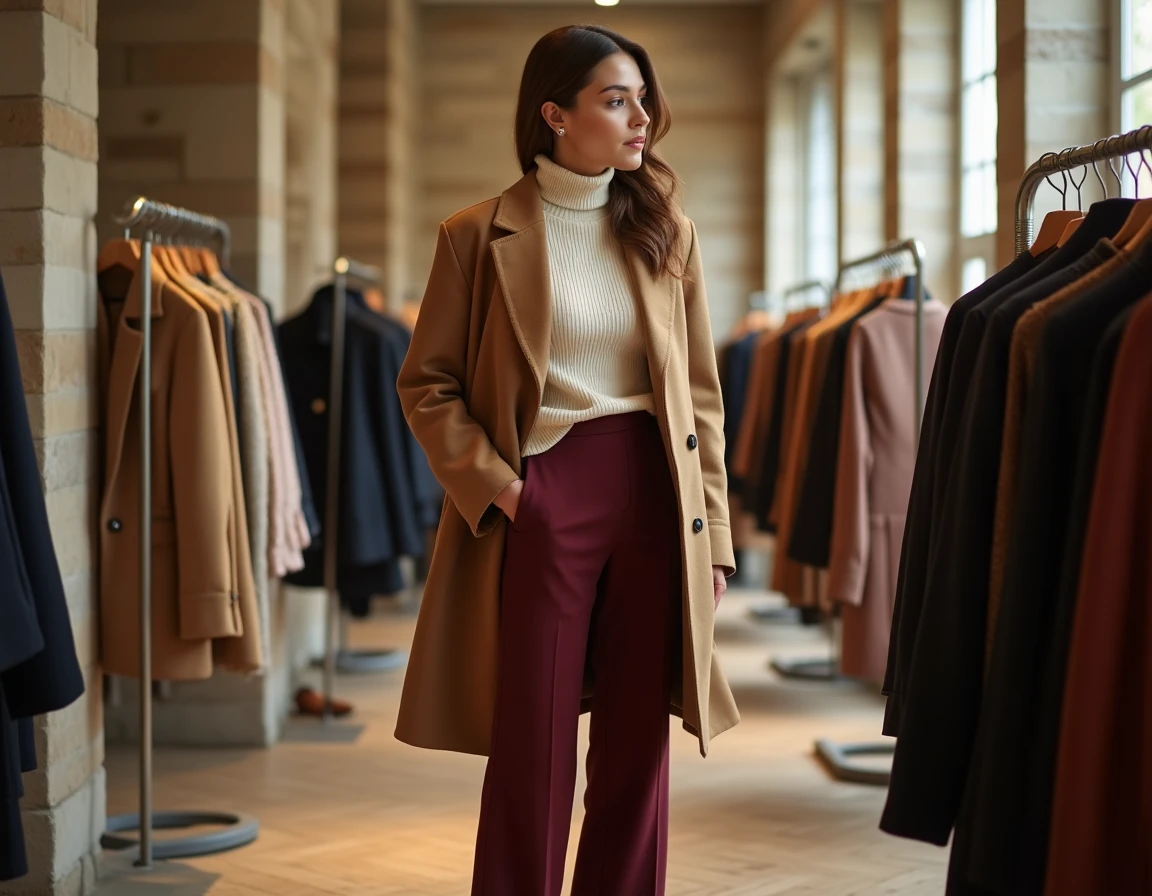
Quiet luxury, popularized by brands like The Row or Loro Piana, is based on minimalist cuts, noble materials, and the absence of visible logos. For several seasons, the Lyst Index and analyses from Business of Fashion have documented its diffusion into the mass market.
Zara, H&M, and Mango have launched so-called “premium” capsules that translate this aesthetic at much lower prices. The materials used (faux linen, brushed faux suede, fine viscose knit) mimic the appearance of high-end fibers without achieving their durability. A pair of faux linen pants wrinkles more easily, and a fine viscose sweater distorts faster than a cashmere equivalent.
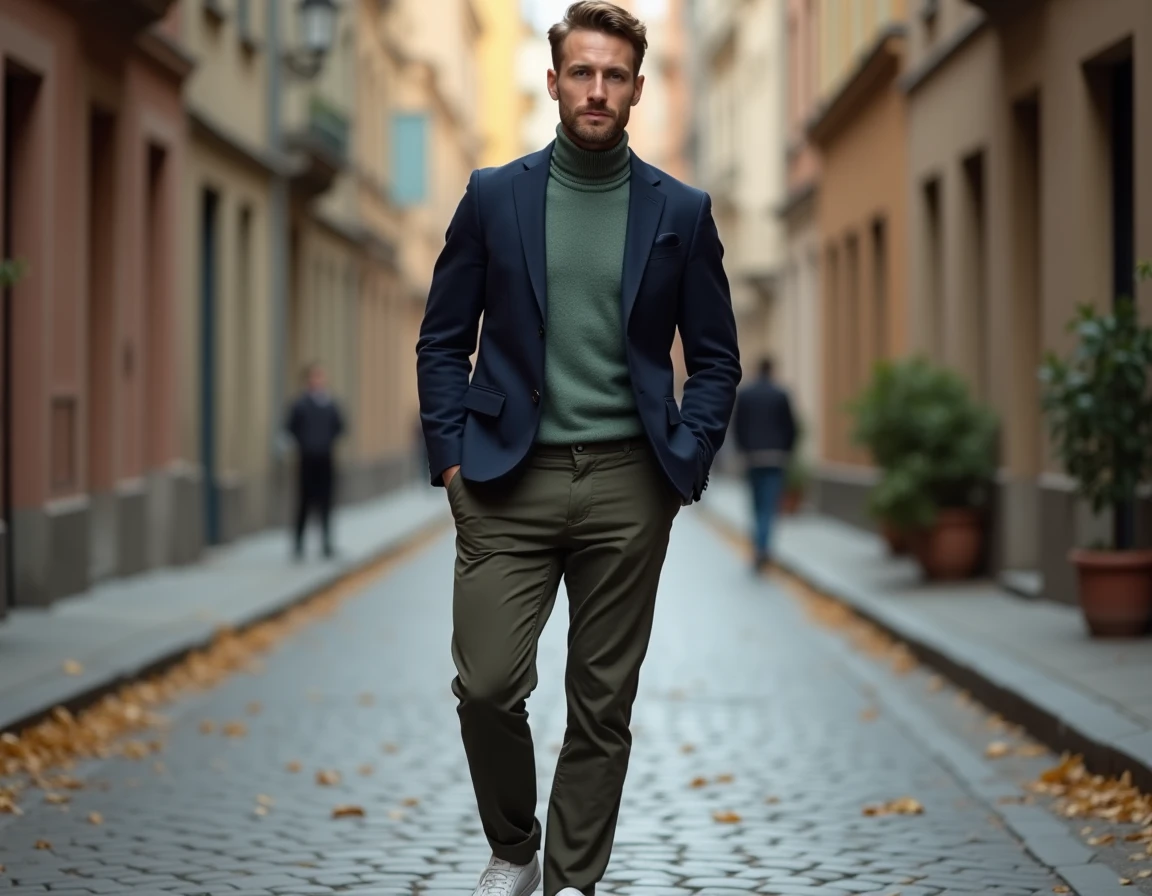
This does not disqualify these pieces, but it changes the way they are integrated into a wardrobe. Betting on simple cuts (straight pants, unembellished midi dresses, unstructured blazers) limits the risks: even in a modest material, a clean cut ages better than a piece that is overly worked.
Three Guidelines to Assess an Affordable “Quiet Luxury” Piece
- Check the exact composition on the label: a blend with at least some natural fiber (cotton, linen) holds up better than a 100% polyester, even labeled “premium.”
- Favor neutral colors (ecru, taupe, heather gray) that better mask wear and remain wearable across several seasons.
- Try the piece in motion: a minimalist cut reveals its flaws as soon as the fabric falls poorly on the shoulders or waist.
Transparency and Traceability: The Fashion Criterion That Guides Ignore
The European Commission is preparing the Digital Product Passport as part of the Green Deal. This system will require brands to make accessible, via a QR code or chip, all traceability information of a garment: origin of fibers, places of manufacture, environmental impact.
This regulatory framework is not yet in force for all textiles, but several brands are already anticipating by voluntarily displaying traceability data on their labels or online product sheets. For consumers, this means an additional criterion for choice is added to trends and style.
In practice, two garments with the same look (same cut, same color) can show significant differences in terms of manufacturing conditions. The trend is no longer only read on the garment, but also in its production data.
Building a Seasonal Look Without Following Every Micro-Trend
Chasing after every TikTok label or every “premium” capsule leads to an incoherent wardrobe. A more stable approach is to identify pieces that transcend multiple cycles.
Jeans remain a base that absorbs all seasonal variations. Cuts evolve (barrel, wide leg, classic straight), but denim itself never goes off the radar. Paired with a simple blazer or a light dress worn open, it anchors a look without relying on a fleeting trend.
For colors, the season leans towards pastel tones and warm shades. The available data does not allow for predicting which will last beyond summer; however, neutrals (off-white, beige, navy) serve as a permanent foundation on which a single strong piece, a bold jewelry item or a colorful accessory, is enough to refresh the silhouette.
- A pair of straight pants in natural material works from the office to the weekend without looking dated by the end of the season.
- Gold jewelry (large earrings, fine layered chains) traverses the “mob wife” and “quiet luxury” aesthetics without contradiction.
- A trench coat or a short jacket in a neutral tone allows for switching from one style to another by simply changing the top.
The season is not just a list of pieces to buy. The strongest looks combine one or two references to the moment (a cut, a print, a palette) with personal basics that are already well-established. It’s better to have a tight and coherent wardrobe than a collection of trends worn once.